Highlights:
- Aluminum keeps its value — it can be recycled endlessly without losing quality, which is why it pays better than most other household recyclables.
- A simple collection system matters — having a dedicated bin or bag makes it effortless to build up volume instead of tossing cans in the trash out of habit.
- Clean, dry cans get better results — rinsing out sticky residue and letting cans dry helps avoid pest issues and keeps your load in good shape for weigh-in.
- Where you sell makes a real difference — scrap yards, redemption centers, and reverse vending machines all pay differently, so it pays to compare options instead of defaulting to the closest one.
- Payouts depend on more than just weight — market prices, load purity, and volume all affect your rate, so understanding these factors helps you time your trips smarter.
- Small habits compound — collecting from neighbors, coworkers, or events, and tracking your totals over time, can turn occasional trips into a steady income stream.
- Avoiding common mistakes protects your earnings — mixing materials, letting cans corrode, or ignoring price fluctuations are easy ways to lose money without realizing it.
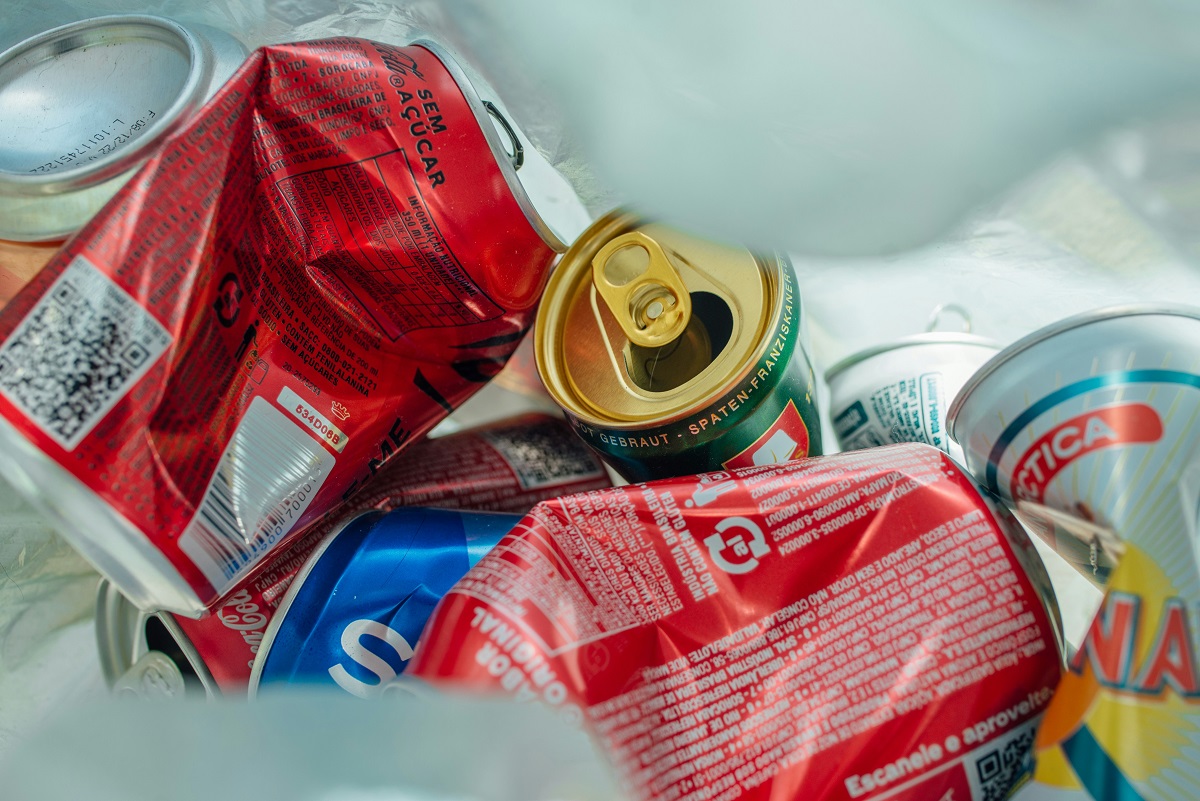
If you have ever tossed an empty soda can into the trash without a second thought, you might be leaving money on the table, literally. Aluminum cans are one of the easiest and most reliable ways to turn everyday trash into real cash, and once you understand how the process works, you can start making meaningfully more from every single can you collect. This guide walks you through everything from sorting and cleaning to finding the best paying recycling centers near you, so you can stop guessing and start earning.
Why Aluminum Cans Are Worth Recycling
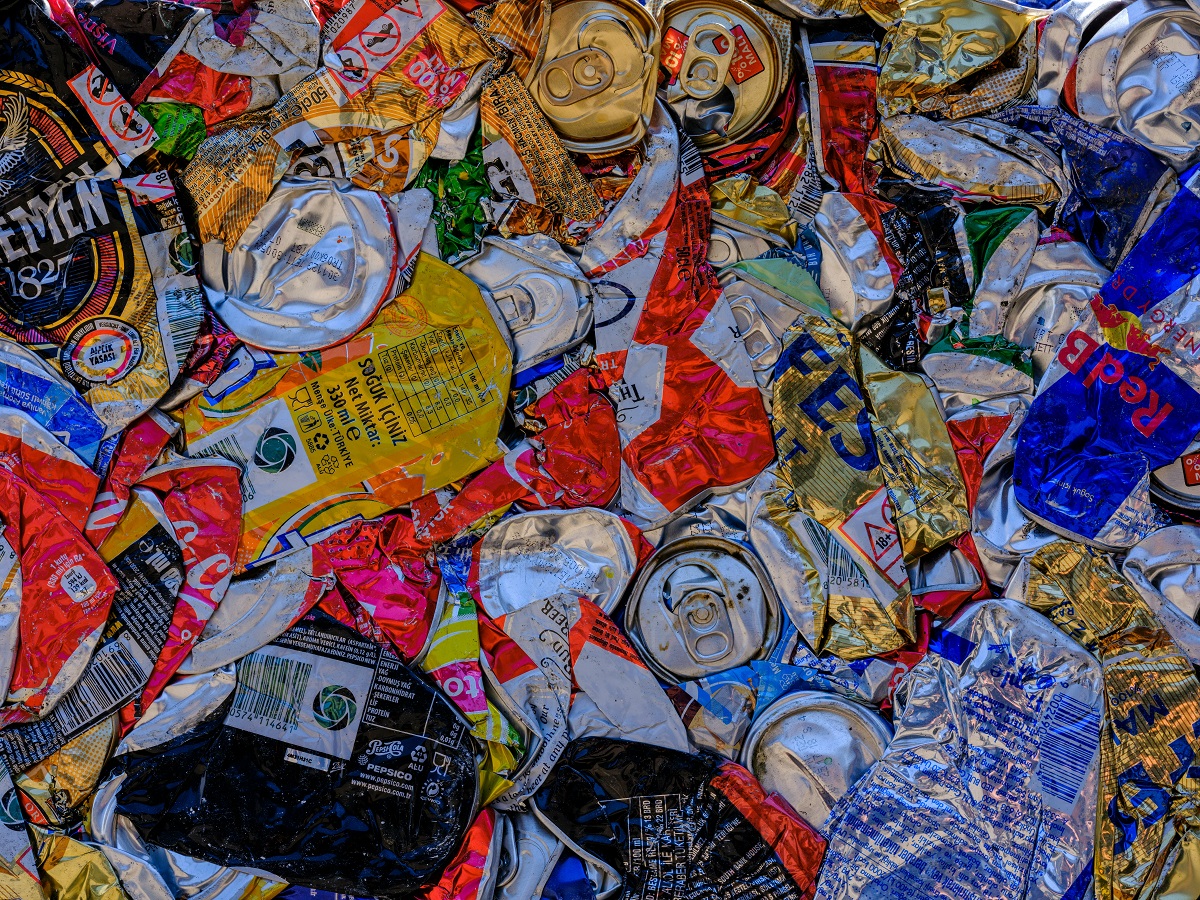
Aluminum is one of the most valuable materials you can recycle at home, mostly because it never really loses quality no matter how many times it gets melted down and reused. Unlike plastic, which degrades a bit every time it is processed, aluminum can be recycled over and over again without losing its strength or usefulness. This is exactly why scrap yards and recycling centers are willing to pay decent money for it. Here is why cans specifically stand out compared to other recyclables:
- They are lightweight, so you can collect a large volume without needing a truck
- They have a high resale value per pound compared to plastic or glass
- The recycling process for aluminum uses significantly less energy than creating new aluminum from raw materials
- Most cities and towns have accessible drop off points or buyback centers
- The demand for recycled aluminum stays fairly consistent, so prices do not swing as wildly as some other scrap metals
Understanding this value is the first step toward treating your can collection less like a chore and more like a small side hustle.
Getting Started With Can Collection
Before you can cash in, you need a system. Winging it might work for a few cans here and there, but if you want to make this a consistent source of extra income, a little bit of organization goes a long way. Start by setting up a dedicated collection spot, whether that is a bin in your garage, a few large trash bags in a closet, or a designated corner of your kitchen. The goal is to make it effortless to toss a can into the pile the moment you finish a drink, rather than letting it sit around and eventually end up in the regular trash. A few tips to make this easier:
- Use large, sturdy bags or bins so you are not constantly emptying small containers
- Keep a separate bag for cans that are especially dirty or sticky so they do not attract pests
- Ask family members or roommates to pitch in by tossing their empties into the same collection spot
- Consider setting up a small collection point at your workplace if drinks are common there
- If you host parties or gatherings, place a clearly labeled can bin next to the regular trash so guests know where to toss their empties
Once you have a system in place, the actual work of recycling becomes much less overwhelming.
Cleaning and Preparing Your Cans
This step often gets overlooked, but it genuinely matters. Recycling centers weigh your cans to determine payout, and while a little bit of leftover liquid will not ruin your total, cans that are excessively dirty, crushed with debris, or mixed with other trash can sometimes get rejected or weighed less favorably. Here is a simple prep routine that keeps things efficient:
- Give cans a quick rinse if they had sugary drinks inside, since sticky residue can attract bugs while they sit in storage
- Let them air dry for a bit before bagging them up
- Remove any non-aluminum attachments like plastic rings or labels if they are still stuck on, although most centers do not require this
- Crush cans if you want to save space, though some centers actually prefer uncrushed cans since they can verify quantity more easily by counting rather than weighing
A quick note here, since we are already talking about maximizing value: aluminum cans are far from the only items you can recycle for extra cash, so it is worth expanding your collection habits beyond just soda and beer cans if you really want to boost your earnings.
Where to Take Your Cans for the Best Payout
Not all recycling centers pay the same rate, and this is where a lot of people miss out on extra money. Prices can vary depending on your location, current market rates for aluminum, and whether the center specializes in cans specifically or handles all types of scrap metal. Consider these options when deciding where to take your collection:
- Local scrap metal yards often pay more per pound than curbside recycling programs, especially if you are bringing in a large quantity at once
- Bottle and can redemption centers are common in states with container deposit laws, and these locations pay a fixed amount per can rather than by weight, which can actually work in your favor if your cans are lightweight
- Grocery store reverse vending machines are convenient for smaller quantities and instant payouts, though the per can rate is sometimes slightly lower
- Community recycling drives occasionally offer bonus rates or fundraising partnerships, which can be a great option if you are collecting on behalf of a school or organization
It is worth calling around or checking online reviews for a few different centers in your area before settling on one. Rates can differ enough that driving an extra ten minutes to a better paying location makes a real difference over time.
Understanding How Payouts Are Calculated
Most recycling centers pay based on weight, typically priced per pound, and the rate fluctuates depending on the current market value of aluminum. This means the amount you earn today might be different from what you would earn a few months from now. A few factors that influence your payout:
- Market price of aluminum, which shifts based on global supply and demand
- Purity of your load, meaning cans that are free of trash, food residue, or non-aluminum materials tend to get better rates
- Volume, since some centers offer slightly higher rates for larger quantities
- Location, as urban centers sometimes pay differently than rural ones due to transportation costs
If you want to get a rough idea of your payout before heading to a center, most locations list their current rate per pound on their website or by phone. Weighing your bags at home with a kitchen or luggage scale can also give you a solid estimate so there are no surprises.
Simple Habits That Add Up Over Time
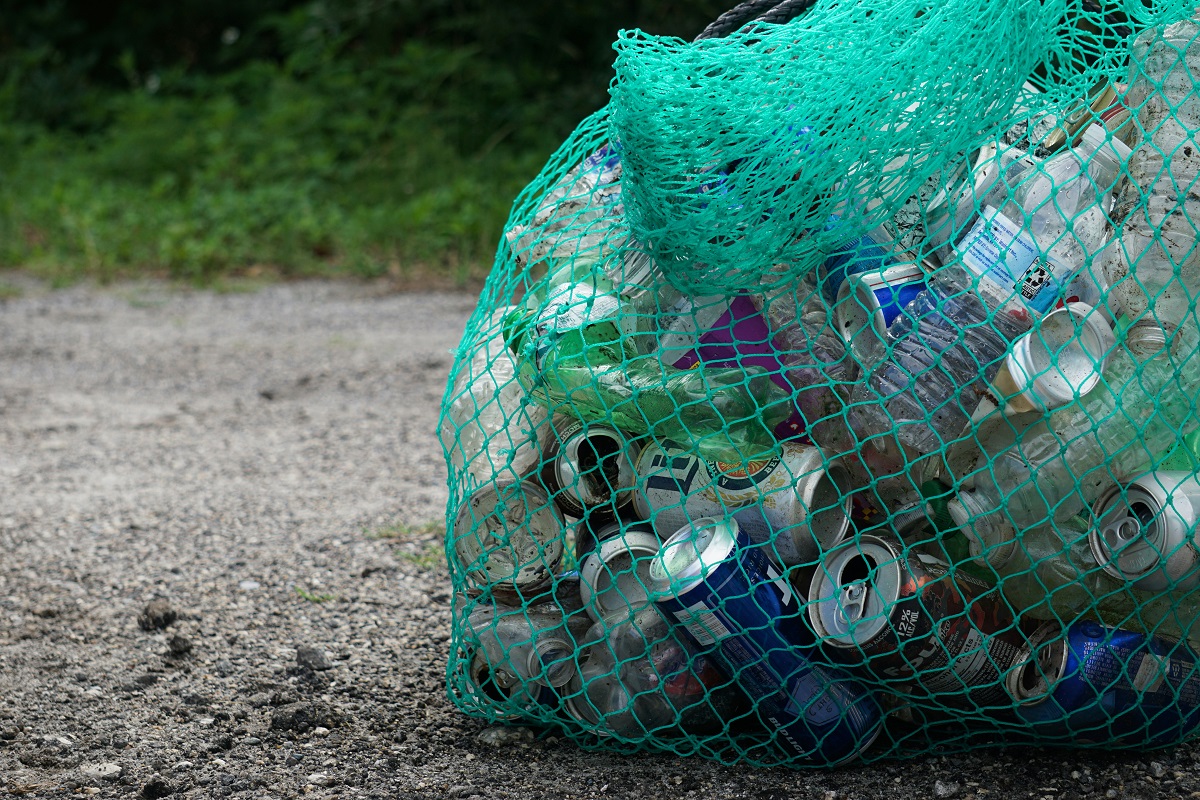
Maximizing your earnings is not really about one big effort, it is about small consistent habits that compound over weeks and months. Here are some practical ways to boost your totals without much extra work:
- Collect from multiple sources. Ask friends, neighbors, or coworkers if they are willing to save their cans for you instead of tossing them
- Attend or host events. Parties, tailgates, and community gatherings tend to generate a large number of cans in a short period
- Check public spaces responsibly. Parks, beaches, and sporting events often have discarded cans, though always follow local rules about collecting from public or private property
- Team up with others. Some people split routes with a friend or family member, covering more ground and splitting the earnings
- Track your totals. Keeping a simple log of how many pounds or cans you bring in each trip helps you notice patterns, like which locations pay best or which times of year yield more cans
Small adjustments like these can turn an occasional errand into a steady little income stream.
Common Mistakes That Cost You Money
Even well-intentioned can collectors sometimes make small errors that reduce their earnings without realizing it. Avoiding these mistakes can make a noticeable difference in your totals.
- Mixing materials together. Tossing steel cans, aluminum foil, or other metals into the same bag as your aluminum cans can sometimes lower your overall rate if the center does not separate them for you
- Ignoring price fluctuations. Selling during a low price period when you could have waited a week or two for rates to improve
- Choosing convenience over value. Always taking cans to the nearest location without comparing rates elsewhere
- Letting cans sit too long. Storing cans for extended periods in humid areas can lead to corrosion, which slightly reduces weight and value
- Not crushing when it matters. Some centers pay by volume estimation rather than exact weight, so uncrushed cans might actually shortchange you at certain locations, while crushing helps at others. It is worth asking your specific center which method they use
Being aware of these small details helps you avoid leaving money behind unnecessarily.
Turning This Into a Long-Term Side Income
If you find that can recycling is genuinely worth your time, there are ways to scale it up into something more substantial. Some people expand their efforts by partnering with local businesses, offering to pick up recyclables from restaurants, bars, or offices in exchange for a share of the profits. Others set up neighborhood collection routes, checking in with households on a weekly or biweekly basis. A few ideas for scaling up:
- Reach out to local bars or restaurants and offer free recycling pickup in exchange for keeping the cans
- Post in community groups offering to collect cans from neighbors who do not want the hassle of taking them in themselves
- Combine can collecting with other recyclable materials to make each trip more worthwhile
- Invest in a small hand truck or cart to make transporting larger loads easier
- Keep a rotating schedule so you are not overwhelmed trying to collect everything at once
Treating this as a legitimate, organized side hustle rather than a casual habit is often what separates people who make a few extra dollars a month from those who build a genuinely useful secondary income stream.
Environmental Benefits Worth Mentioning
While the financial incentive is the main draw for most people, it is worth remembering that recycling aluminum also carries a real environmental benefit. Producing new aluminum from raw bauxite ore requires a significant amount of energy, while recycling existing aluminum uses a fraction of that energy and reduces the need for new mining. Every can you recycle instead of throwing away helps reduce landfill waste and supports a more sustainable materials cycle. It is a rare case where doing something good for your wallet also happens to be good for the planet.
Final Tips for Getting the Most Out of Your Cans
Before wrapping up, here are a few final pointers to keep in mind as you build your recycling routine:
- Always double check current rates before making a special trip, since prices do fluctuate
- Keep your storage area dry and pest-free to avoid losing value to corrosion or contamination
- Build relationships with local recycling center staff, since they can sometimes tip you off about rate changes or bulk bonuses
- Stay consistent, since regular small trips often add up to more than infrequent large ones due to how storage space and cleanliness are maintained
- Consider involving your whole household or workplace to increase your total volume with minimal extra effort
Recycling cans is one of those activities that seems small on the surface but can genuinely add up to meaningful extra cash if you approach it with a bit of strategy. By setting up a simple collection system, keeping your cans clean and properly stored, researching the best paying locations near you, and avoiding common mistakes, you can turn something as simple as an empty soda can into a reliable little income stream. Start small, stay consistent, and you might be surprised at how quickly those aluminum cans start adding up to real dollars in your pocket.